
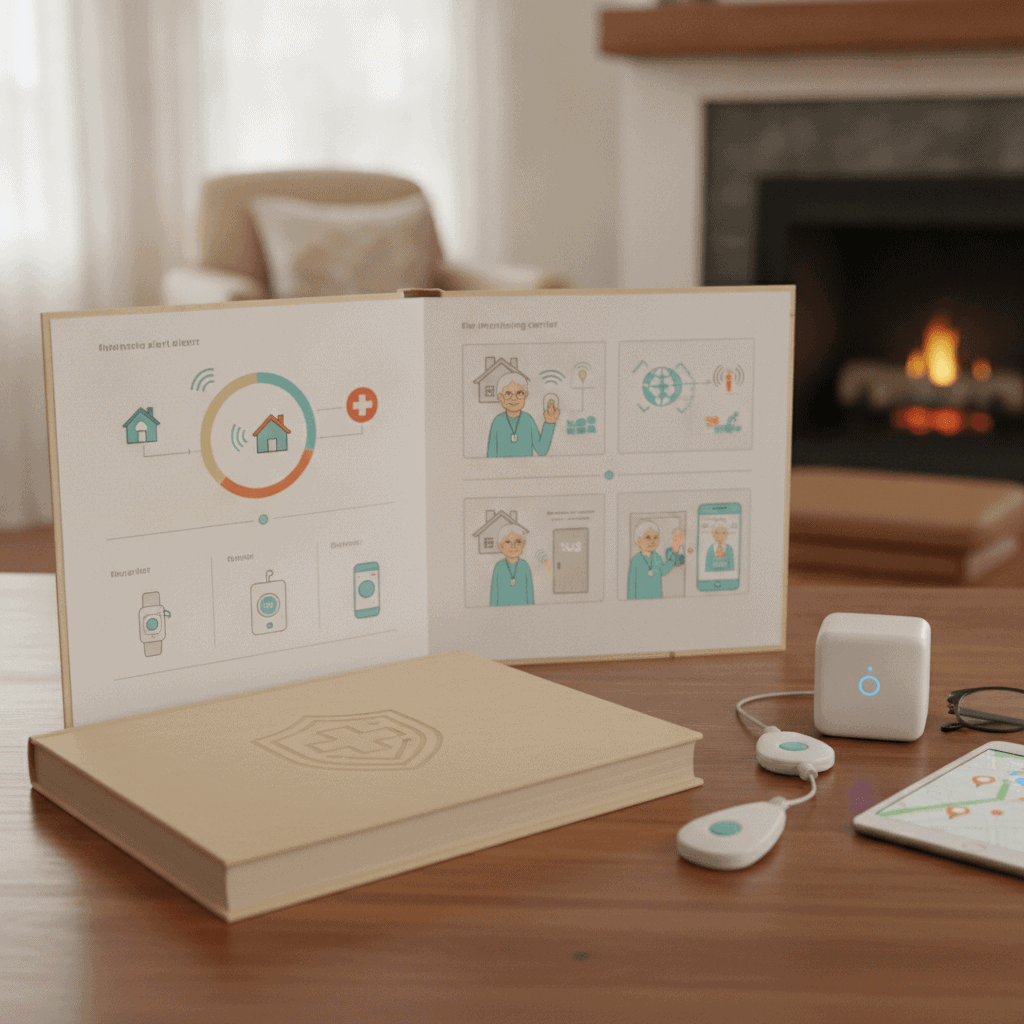
I often find myself discussing many topics that touch on everyday life, from smart home upgrades to keeping our mental health strong. Today, I want to bring up something that offers real security and comfort for many people: medical alert systems. These systems are not just for emergencies. They provide a vital link to help, ensuring that assistance is always just a button press away, no matter where you are in your home or even when you are out and about.
Living independently is a goal for many of us and for our loved ones. Understanding how these systems work can make a big difference. I want to give you a complete picture of what medical alert systems offer so you can make informed decisions about your safety needs.
We will look at the different kinds of systems available. We will also cover what features really matter. My aim is to equip you with all the knowledge you need to consider this important safety tool.
Understanding Medical Alert Systems: A Foundation for Safety
Medical alert systems are personal emergency response services designed to give you help when you need it most. They typically include a wearable device like a pendant or wristband with a button. When you press this button it connects you to a monitoring center.
These systems are a great way to maintain independence. They offer peace of mind for both the user and their family members. We see them used by seniors, individuals with chronic health conditions, or anyone who might benefit from immediate assistance if they fall or experience a medical emergency. The monitoring center staff are trained professionals. They can assess the situation and dispatch appropriate help such as paramedics or a family contact.
I know many people worry about being a burden. This technology helps remove that concern. It makes sure you can get help quickly without having to reach a phone or remember numbers. It is about empowering you to live life on your terms but with a strong safety net in place.
The core function is simple: press a button get help. But the technology behind it has advanced greatly. Many systems now include fall detection and GPS tracking. This means help can be sent even if you cannot speak or are outside your home. This level of responsiveness is truly a game changer for personal safety.
Types of Medical Alert Systems: Finding Your Best Fit
When you start looking into medical alert systems you will find a few main types. Each one offers different features and benefits. The right choice for you depends on your lifestyle and specific safety concerns. I want to explain these options clearly so you can understand which one might be the most helpful.
One common type is the in-home system. These are usually set up with a base unit connected to your phone line or a cellular network. You wear a pendant or wristband that connects wirelessly to this base unit. These systems are great for people who spend most of their time at home. The range usually covers your entire house and yard. If you fall in the bathroom or garden you can still call for help.
Mobile Medical Alert Systems for Active Lifestyles
For those who are more active and spend time outside their home there are mobile medical alert systems. These devices come with built in GPS tracking and a cellular connection. You can take them with you to the grocery store on walks or when visiting friends. If an emergency happens the monitoring center can pinpoint your location and send help to you. This is a huge benefit for anyone who wants to maintain an active lifestyle without feeling confined to their home.
I have seen how mobile systems have changed lives. People who once felt nervous leaving the house now feel confident. They know that help is accessible wherever they go. These systems often come in smaller more discreet designs like watches or compact devices. They are easy to carry and use.
Systems with Advanced Features
Some medical alert systems offer advanced features such as fall detection. This technology uses sensors to detect if you have fallen. It automatically alerts the monitoring center even if you are unable to press your button. This is especially useful for individuals at a higher risk of falls or those who might become unconscious after a fall. We find this feature gives an extra layer of protection.
When you are considering your medical alert system options, think about where you spend most of your time. Think about your personal health risks. Also consider how much technology you feel comfortable using. There are systems designed to be very simple and others with more complex features. Each option aims to give you the safety and freedom you need.
Key Features to Look for in a Medical Alert System
Choosing a medical alert system means looking beyond just the emergency button. Many features can enhance your safety and peace of mind. I always tell people to think about their daily routines and specific needs before they decide. This approach helps you find a system that truly fits your life.
One of the first things to consider is the range and connectivity. For in-home systems you want to know how far the wearable device can be from the base unit. This ensures you are covered in every room and even outside in your garden. For mobile systems you need reliable cellular coverage in your area. This ensures you can call for help from anywhere.
Battery Life and Durability
Battery life is another very important feature. For wearable devices you want a long lasting battery. It should be easy to charge or replace. Some devices last for several days on a single charge. This means less worry about it dying when you need it most. Also think about durability. Will the device withstand everyday wear and tear or accidental drops? Many are designed to be water resistant so you can wear them in the shower where many falls happen.
I always suggest checking if the system has two-way communication. This allows you to speak directly with the monitoring center through the pendant or base unit. This immediate conversation helps the operators understand your situation faster and dispatch the right kind of help. It can also be reassuring to hear a calm voice during a stressful time.
We also need to consider monitoring center capabilities. Is it staffed 24/7? Are the operators certified? What is their average response time? These factors speak to the quality of service you will receive during an emergency. I look for centers with a strong track record and clear emergency protocols. They should also be able to communicate with your listed contacts like family or neighbors. This ensures everyone is in the loop during a critical event.
The Benefits Beyond Just Emergency Calls
Medical alert systems offer more than just a way to call for help in an emergency. They provide a range of benefits that truly improve daily life. I have seen firsthand how these systems contribute to a greater sense of security and freedom for individuals and their families.
One significant benefit is increased independence. Knowing that help is readily available allows people to continue living in their own homes longer. They can maintain their routines and enjoy their hobbies. This autonomy is very valuable. It helps people feel in control of their lives. Families also feel better knowing their loved ones are protected.
Another key advantage is peace of mind. For the user, it means less worry about what might happen if they are alone and fall or suddenly feel unwell. For family members, especially those who live far away, it offers comfort. They know that a professional monitoring service is always watching out for their loved one. This reduces anxiety for everyone involved. It builds a stronger support network.
Prompt Response and Preventative Measures
The speed of response is also a major benefit. In a medical emergency every minute counts. Medical alert systems ensure that professional help is dispatched quickly. This can be crucial in preventing further injury or worsening health conditions. Fall detection technology further enhances this by initiating a call even if the person cannot. This proactive approach to safety is invaluable. It saves lives.
These systems can also provide a sense of connection. Many systems allow family members to receive alerts when the emergency button is pressed. Some even offer apps where family can check on the user’s status. This helps everyone stay connected and informed about their loved one’s well being. It fosters a stronger community of care. I find this aspect particularly helpful. It bridges distances between family members.
Setting Up and Testing Your Medical Alert System
Once you have chosen a medical alert system the next step is setting it up. This process is usually straightforward. It ensures your system is ready to go when you need it. I always emphasize the importance of thorough testing. This makes sure everything works as it should.
For in-home systems installation typically involves plugging in the base unit. You connect it to a power source and a phone line or cellular network. The wearable device will already be paired. You simply need to wear it. Mobile systems are even simpler. They are often ready to use right out of the box after you charge them. The provider usually handles the initial setup of your profile and emergency contacts.
Testing Your System Regularly
Testing your system is a crucial step I cannot stress enough. After setup you should press your emergency button to initiate a test call. Speak with the operator to confirm they hear you clearly and that your information is correct. Ask them to confirm your emergency contacts too. This first test ensures the connection works and the monitoring center has accurate details.
I recommend testing your system once a month. This small routine check can prevent big problems. It confirms the battery is good. It also ensures the connection is still strong. This regular practice builds confidence in the system. It also familiarizes you with the process of making a call. You will feel more prepared if a real emergency happens. Many systems even have a dedicated test button for this purpose. It sends a signal to the monitoring center without dispatching emergency services.
Make sure your emergency contacts know they are listed. Tell them what to expect if they receive a call from the monitoring center. Providing them with details about your system helps them assist effectively if needed. Proper setup and regular testing truly give you the most reliable safety net.
Choosing the Right Plan and Provider
Selecting a medical alert system is not just about the device. It also involves choosing the right service plan and provider. I have found that careful consideration of these factors leads to a much better experience and greater satisfaction. Different companies offer varied plans and levels of service.
First look at the subscription models. Most providers offer monthly quarterly or annual payment plans. Often paying annually can save you money. Understand what is included in each plan. Does it cover just the basic monitoring? Are advanced features like fall detection an extra cost? Some plans might include equipment rental while others require you to purchase the device outright.
Evaluating Customer Service and Support
The quality of the provider’s customer service is very important. I always suggest reading reviews and checking their reputation. You want a company that is responsive and helpful. They should be easy to reach if you have questions or technical issues. A good provider will have transparent pricing and clear terms of service. They should not have hidden fees.
Also consider their monitoring center. As I mentioned earlier a 24/7 certified monitoring center is essential. Find out where their centers are located. See if they have redundant centers in case of a regional outage. This detail ensures continuous service no matter what happens.
I advise looking into cancellation policies. You want flexibility if your needs change or if you are not satisfied with the service. Some companies offer trials or money back guarantees. These can be helpful in testing the system without a long term commitment. Comparing a few different providers side by side will give you a clear understanding of your best options. This lets you choose a plan that aligns with your budget and safety requirements.
Common Misconceptions About Medical Alert Systems
There are many ideas floating around about medical alert systems. Some of these are not quite right. I want to clear up some common misunderstandings. This helps everyone get an accurate picture of what these systems truly are and how they can help.
One common belief is that medical alert systems are only for people who are very elderly or frail. This is simply not true. While seniors are a primary user group, these systems benefit anyone at risk of an emergency. This includes individuals with conditions like epilepsy diabetes or balance issues. They are also useful for those recovering from surgery. The goal is safety and quick access to help. This applies to a wide range of people.
Another misconception is that the devices are bulky or unsightly. I understand this concern. Many people do not want to draw attention to their need for assistance. However modern medical alert devices are much more discreet. They come in sleek designs like pendants that look like jewelry or watches. Technology has made them smaller and more stylish. They blend seamlessly into daily life. This helps reduce any feelings of stigma.
Understanding False Alarms and System Limitations
Some people worry about frequent false alarms or that the system will not work. While false alarms can happen they are usually easily managed by speaking with the operator. You simply tell them it was an accidental activation. Most systems are highly reliable and undergo rigorous testing. We encourage regular personal testing too. This builds confidence in the device’s functionality. The systems are designed to be a dependable lifeline.
Finally some believe these systems replace human care. I want to be very clear that medical alert systems are a tool. They supplement care from family friends or professional caregivers. They do not replace it. They provide an immediate connection to emergency services. This is something human caregivers cannot always do 24/7. They enhance safety. They allow caregivers to have greater peace of mind knowing there is a reliable backup in place.
Making Medical Alert Systems Part of Your Safety Plan
Incorporating a medical alert system into your broader safety plan is a smart and proactive step. I believe that thoughtful planning helps us all live more securely and confidently. These systems are powerful tools. They work best when integrated into a comprehensive approach to personal well being.
First identify your primary risks. Are you prone to falls? Do you have a condition that could cause sudden incapacitation? Is your home particularly large or isolated? Understanding these factors helps you choose the right system with the right features. This personalized approach ensures you get the most effective protection.
Next discuss your decision with family and close friends. Let them know you are considering or have acquired a medical alert system. Explain how it works and what they should expect if they are listed as an emergency contact. Open communication ensures everyone is on the same page. It strengthens your overall support network. This way, if something happens, your loved ones are prepared to assist or communicate with emergency responders.
I always suggest creating a simple emergency contact list to keep near your base unit if you have an in-home system. Include numbers for family friends and doctors. Also list any important medical information like allergies or current medications. This helps emergency personnel act quickly and appropriately when they arrive. This small step can make a very big difference in a critical situation.
Finally remember that a medical alert system is an active part of your safety. Test it regularly. Keep it charged. Wear it consistently. The best system is one that you use correctly and confidently. By taking these steps, you are not just buying a device. You are investing in your continuous safety and independence. This is a choice that truly empowers you.
Your Path to Enhanced Safety and Independence
Throughout this handbook, I have aimed to provide you with a clear and practical understanding of medical alert systems. My goal has always been to share insights that empower you to make informed decisions about your health and safety. We have explored the fundamental purpose of these systems. They offer a vital lifeline for immediate assistance when unexpected situations arise. We also looked at the diverse types available. This ranges from dependable in-home units to advanced mobile options with GPS tracking and automatic fall detection. Each system aims to give you the most suitable coverage for your daily activities and peace of mind.
I have highlighted the many benefits these systems offer. This includes not just emergency response, but also enhanced independence and reassurance for both users and their families. We discussed important features like battery life and two-way communication. We covered how crucial these are for reliable performance. You also learned about the simple steps involved in setting up and regularly testing your system to ensure it is always ready to protect you. Addressing common misconceptions helps clarify what medical alert systems truly are. They are a supportive tool, not a replacement for human connection or care.
Ultimately, a medical alert system is a personal investment in your well being. It is about creating a secure environment where you can live freely and confidently. It empowers you to tackle life’s challenges knowing that professional help is always within reach. I encourage you to consider how these systems can fit into your life. Review your options. Talk to your family. Make a choice that enhances your safety and keeps you connected to help when you need it most.


